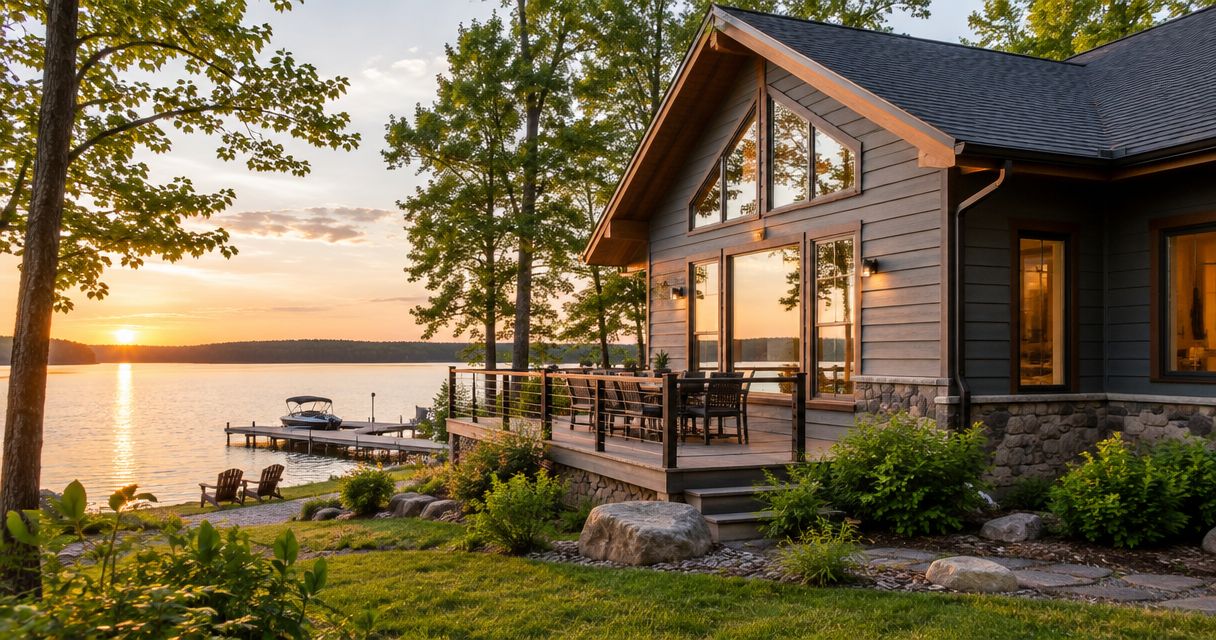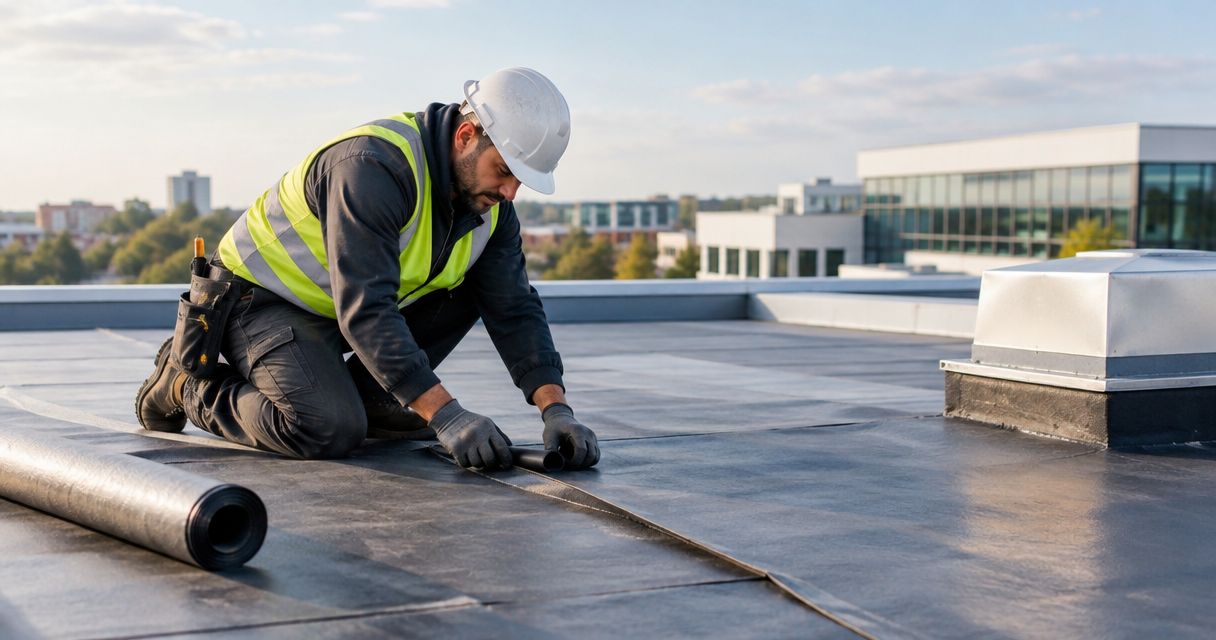
Exterior improvement planning for Wisconsin homeowners starts with the condition of the house, not a list of products. Define the problem, decide what needs inspection and document the installation work before choosing finishes.
- Plan exterior improvements around observed conditions and how you want to use the home.
- Compare repair, replacement and phased work without assuming every component needs replacement.
- Keep installation scope, change procedures and warranty terms as separate written documents.
- Consider roofing, siding, windows, doors, gutters, decks and sunrooms in a coordinated plan.
Why this matters
An exterior project combines visible materials with preparation you will not see after completion. A window sample does not explain how an opening will be repaired. A siding color does not explain what happens to damaged material underneath.
Liberty Exteriors provides exterior installation services in Eau Claire, the Chippewa Valley and west central Wisconsin. For your 2026 project, begin with what your house needs and use material choices to support that plan.
Build your exterior improvement plan
Describe the problem before choosing a product
Write down what you can observe. You do not need to identify the construction cause before requesting an assessment.
- Record where water or drafts appear.
- Note windows and doors that are difficult to operate.
- Photograph visible deterioration from a safe location.
- Separate appearance preferences from condition concerns.
- Explain whether you want less upkeep, different access or additional usable space.
Describe when a symptom occurs as well as where it appears. Observations help guide the assessment without turning a homeowner's guess into the specification for the work.
Decide between repair and replacement
Ask what supports the recommendation. A localized problem and widespread deterioration call for different discussions, and a finished surface can conceal conditions that need further inspection.
| Approach | Fits when | Limitation to understand |
|---|---|---|
| Repair | The assessment identifies a limited, addressable problem | Other components remain in their current condition |
| Replacement | The component's condition or intended use supports replacing it | Scope must include preparation and adjoining details |
| Phased improvements | Different parts of the home can be addressed separately | Shared connections and future access still need planning |
For a 2026 decision, ask what will remain unchanged under each option. A proposal should not suggest that one new component renews the entire exterior.
Define the work for each service
Use the relevant parts of this checklist rather than requesting every improvement at once.
| Service | Installation questions |
|---|---|
| Roofing | What is removed, what is inspected and how are joints and edges handled? |
| Siding | What preparation, trim and repairs around openings are included? |
| Windows | Does the existing frame stay, and who finishes the surrounding surfaces? |
| Doors | Does the scope include the frame, threshold and trim? |
| Gutters | Where will water discharge, and are mounting surfaces ready? |
| Decks | What framing remains, and how are stairs and railings addressed? |
| Sunrooms | What seasonal use and connections does the plan support? |
Liberty Exteriors can discuss the listed services with you. The written proposal still needs to identify which tasks are included for your property.
Plan connections between improvements
Windows meet siding; roofing meets gutters; a door meets its landing. These boundaries need attention even when only one component is being replaced.
Ask how new materials will meet retained surfaces and who completes the finishing work. If the plan has several phases, document how an earlier phase supports the later one.
- Identify shared edges and openings.
- Name materials that need temporary removal.
- Confirm who protects retained features.
- Assign responsibility for reinstatement and finishing.
- Discuss what changes if hidden damage is found.
For 2026 planning, avoid a universal sequence that ignores the house. The intended installation method and actual conditions should explain the order.
Choose materials by use and upkeep
Compare material categories in everyday terms. Ask how the proposed option affects appearance, routine care and repair decisions.
A lower-maintenance finish still needs appropriate care. Do not confuse a product description with a promise that no inspection or cleaning will ever be required.
Bring samples into the discussion alongside the scope. The right material for your preferences is only part of a complete installation decision.
Keep 3 written documents together
Keep the installation scope, the procedure for changes and the warranty terms. They serve different purposes.
The scope identifies the work. The change procedure explains how discoveries outside that work are documented and approved. The warranty terms describe obligations and exclusions after installation.
For your 2026 agreement, read each document rather than expecting one broad promise to replace the others.
Common planning mistakes
Choosing a finish before understanding the condition. Settle preparation and repair needs before assuming a surface replacement addresses the underlying concern.
Expanding the job automatically. Nearby work is a reason to check connections, not proof that every adjoining component needs replacement.
Leaving handoffs unwritten. Someone needs responsibility for each affected surface, including protection and finishing.
Treating a product warranty as installation coverage. Keep 2 coverage categories separate and ask who handles each kind of concern.
FAQ
Where should I start with exterior improvements?
Start with observed conditions and how you want to use the home. Request an assessment before committing to a specific replacement scope.
Should all exterior improvements happen at once?
Not automatically. Combine work when condition and shared installation details support it; consider phases when retained components can be protected and connected properly.
What belongs in an exterior installation scope?
Identify removal, preparation, new materials, finishing, cleanup and exclusions. Assign responsibility for connections to retained components.
How should hidden damage be handled?
The agreement should explain how findings are documented and how additional repairs receive approval. Do not assume unknown work is included.
Does low maintenance mean no maintenance?
No. Ask about the care required for the proposed material and keep that separate from claims about installation quality.
Which exterior services does Liberty Exteriors provide?
Liberty Exteriors provides siding, roofing, window, door, gutter, deck and sunroom installation for residential and light commercial customers in its stated service area.
One last thing
Ask what will stay exactly as it is when the project ends. For a 2026 improvement plan, that answer makes exclusions clearer and helps prevent a replacement from being mistaken for a whole-house repair.