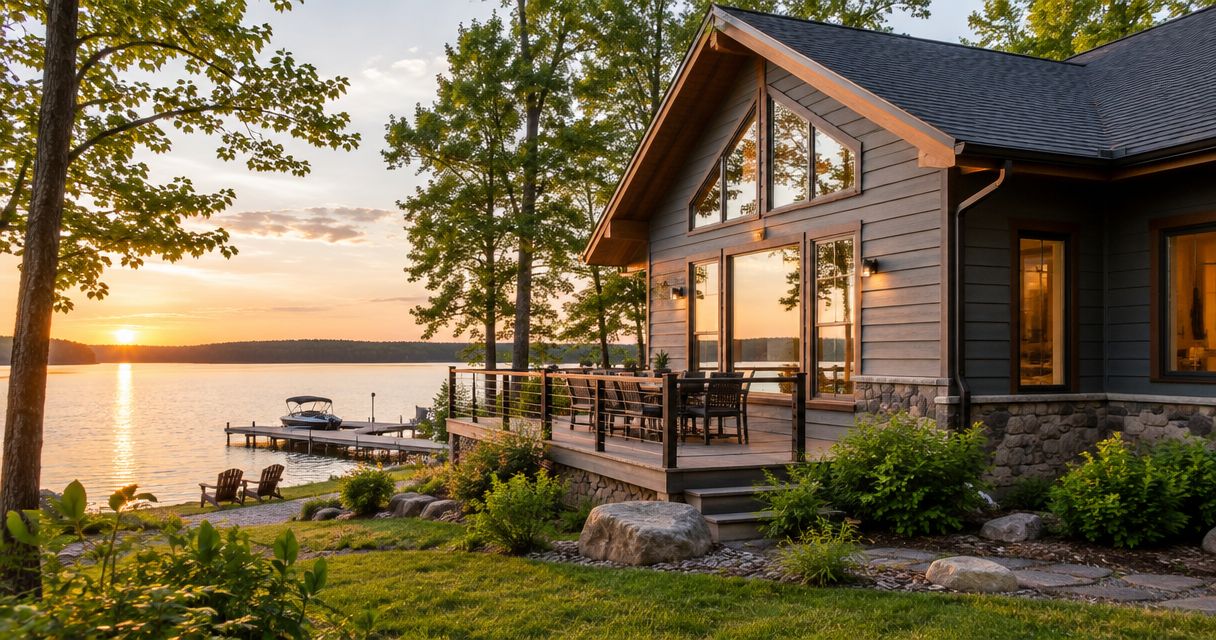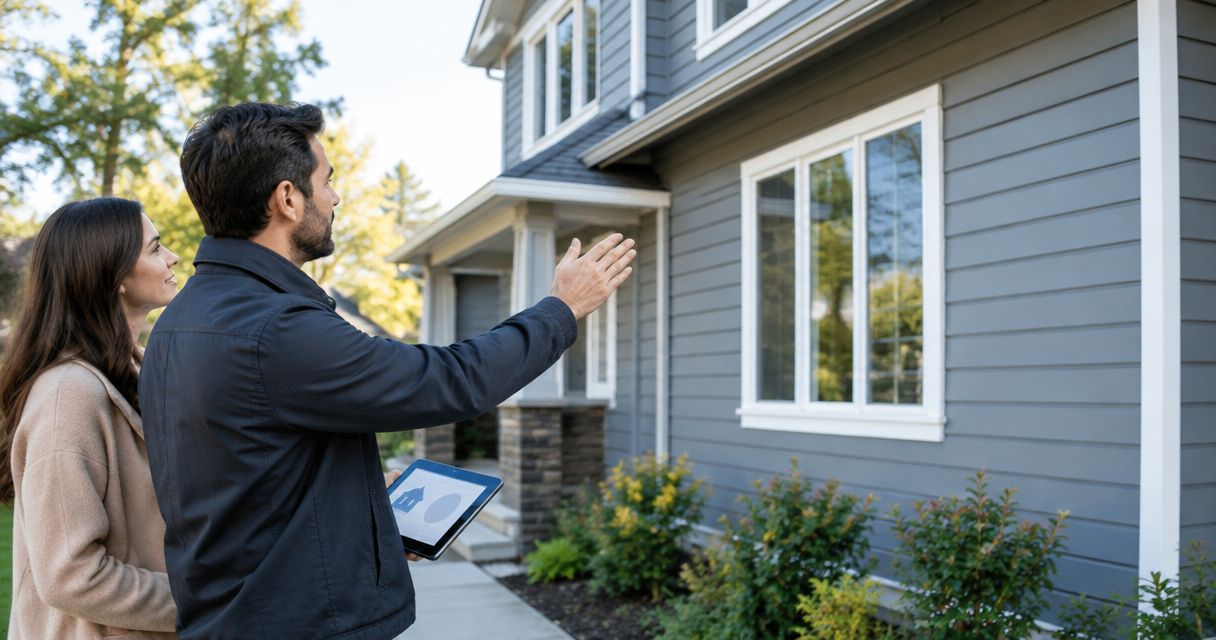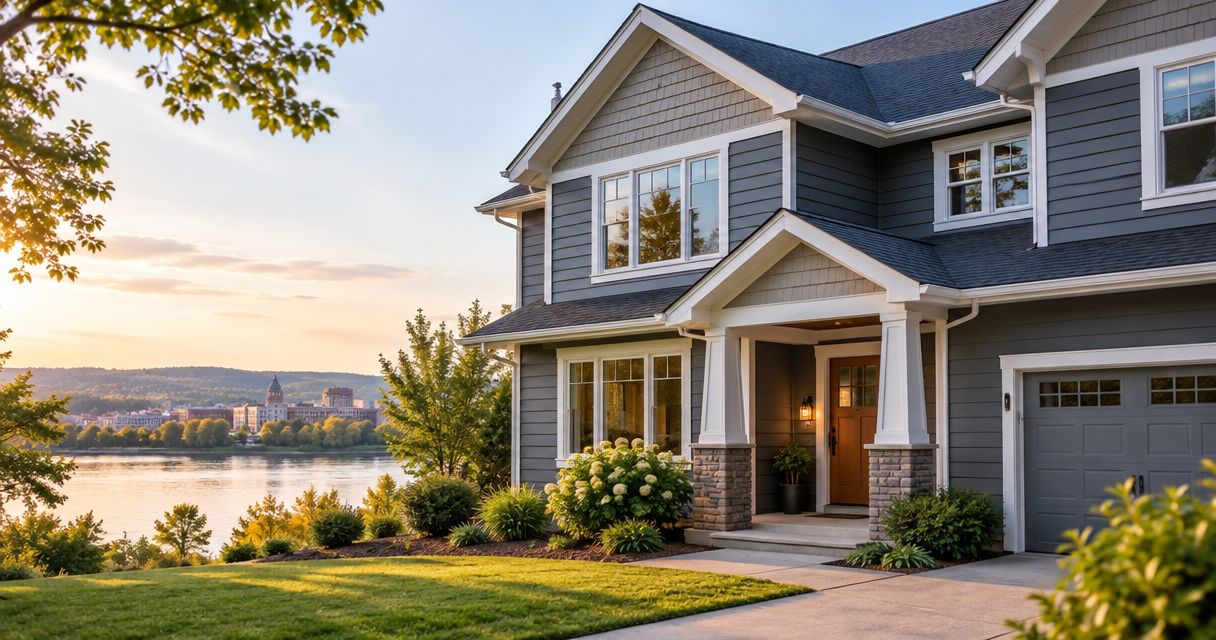
Best overall: warm off-white. Best for a wooded setting: muted sage. Best for keeping an existing brown roof: warm beige. This 2026 guide compares the best siding colors for curb appeal in Eau Claire, with practical ways to match your roof, masonry, trim and front door.
- Warm off-white leads the best siding colors for curb appeal when you want a light, restrained exterior.
- Muted sage suits a landscape-focused palette; navy creates a stronger contrast with light trim.
- Liberty Exteriors provides siding installation for Eau Claire and Chippewa Valley homeowners planning an exterior update.
- Choose siding against your existing roof and masonry, then compare physical samples outdoors before approving the color.
Why your siding color matters
Siding covers a large part of your home's visible exterior. A color that looks appealing by itself can feel disconnected once it sits beside a brown roof, orange brick or cream window frames.
Liberty Exteriors is a siding installation option for Eau Claire homeowners coordinating an exterior update. Before requesting a quote through Liberty Exteriors, decide which existing features you will keep. Those fixed colors give your siding choice a useful starting point.
The recommendations below rank color families by their usefulness for different design goals, not by sales figures or promised resale gains. Your house, its surroundings and the actual siding samples determine the final choice.
What makes the best siding colors for curb appeal?
Use these criteria before choosing a favorite:
- Roof compatibility: Compare siding with the roof you have, unless roof replacement is part of the project.
- Masonry compatibility: Look at the background tones in brick and stone, not just the most noticeable flecks.
- Window coordination: Treat permanent window-frame colors as part of the palette. Bright white and cream need different comparisons.
- Useful contrast: Decide whether you want the siding to blend with trim or create a clear boundary around windows and doors.
- Outdoor appearance: Judge physical samples in sun and shade rather than relying on a phone screen.
- Material suitability: Confirm that the selected color is offered for the siding material and profile being quoted.
For a 2026 siding project, settle the overall palette before approving accessories. Corners, trim, soffits and gutters should support the decision, not become separate color choices made at the last minute.
Best siding colors at a glance
| Rank and color | Best for | Standout feature | Key limitation |
|---|---|---|---|
| 1. Warm off-white | A light exterior with restrained contrast | Keeps the main wall color visually quiet | Can clash with cool-white windows |
| 2. Muted sage | A landscape-focused exterior | Adds color without a bright finish | Green undertones need outdoor checking |
| 3. Warm beige | Keeping a brown roof or warm masonry | Connects warm existing finishes | Can look flat without trim contrast |
| 4. Navy | Defining windows and entry details | Strong contrast against light trim | Can overpower a heavily divided facade |
| 5. Greige | Combining gray and tan elements | Bridges a mixed neutral palette | Undertones can conflict with masonry |
| 6. Charcoal | A deliberately dark exterior | Creates a strong, simple background | Requires careful product and trim selection |
These are color families, not manufacturer color names. Select the actual finish from the material options included in your written proposal.
1. Warm off-white: best siding color for a light exterior
Warm off-white is the default recommendation when you want the siding to stay visually quiet. It gives the front door, roof shape and landscaping room to stand out without adding another strong color.
Choose a restrained off-white rather than assuming every cream belongs in the same group. A sample with a noticeable yellow cast needs a different comparison than an off-white with a gray undertone.
Warm off-white pros:
- Provides a simple background for an accent-colored front door.
- Lets porch posts, window trim and rooflines remain visible.
- Supports a restrained palette without requiring dark siding.
Warm off-white cons:
- Can look yellow beside bright-white window frames.
- Makes contrasting dirt and splash marks easier to notice.
Best for: Homeowners who want a light exterior while keeping the siding secondary to the house's details.
Ask to see the siding sample directly against the existing window frame. If they look accidentally mismatched, change the siding shade or make the contrast more deliberate.
Verdict: Buy warm off-white if it works with your permanent white and cream finishes; skip a yellow-toned sample that fights them.
2. Muted sage: best siding color for a wooded setting
Muted sage introduces green without making a bright color the main feature of the house. Consider it when trees, shrubs and garden beds are part of the view from the street.
Keep the siding sample beside the masonry during selection. A gray-green and a yellow-green can create quite different relationships with the same brick.
Muted sage pros:
- Offers a colored alternative to beige and gray.
- Supports a palette built around planting and natural materials.
- Allows light trim to define windows without an extremely dark wall color.
Muted sage cons:
- Green undertones can compete with red or orange masonry.
- A small indoor sample does not show its full outdoor appearance.
Best for: Homeowners who want their exterior palette to relate to a planted or wooded setting.
For your 2026 shortlist, compare sage with a neutral rather than several nearly identical greens. That comparison helps you decide whether you want green siding at all before choosing its precise shade.
Verdict: Buy muted sage for a landscape-focused palette; hold if its undertone competes with the brick.
3. Warm beige: best siding color for keeping a brown roof
Warm beige is a practical starting point when a brown roof, tan stone or cream trim will remain. It keeps the main wall color within a warm palette rather than introducing a separate cool-gray direction.
That does not mean matching every surface. Give the trim enough difference in lightness to keep windows and roof edges distinct.
Warm beige pros:
- Provides a clear direction when warm existing finishes stay.
- Can connect cream trim with tan or brown exterior elements.
- Leaves room for a darker front door or shutters.
Warm beige cons:
- Similar siding and trim can make details hard to distinguish.
- Pink or yellow undertones can conflict with nearby stone.
Best for: Homeowners replacing siding while retaining a warm-colored roof or masonry.
Put the beige sample beside the mortar as well as the stone or brick. Mortar occupies enough visible space to deserve attention, particularly near a front entrance where you see it closely.
Verdict: Buy warm beige when it connects the finishes you are keeping; skip a near-match that makes the facade look muddy.
4. Navy: best siding color for highlighting light trim
Navy gives light window trim and porch details a strong background. It suits a design goal built around contrast rather than blending the siding into its surroundings.
Before selecting it, look at how many separate elements the front elevation contains. Multiple gables, shutters, porch rails and contrasting masonry already create a busy composition.
Navy pros:
- Clearly separates light trim from the main walls.
- Makes the placement of windows and doors prominent.
- Offers a dark color choice outside the gray family.
Navy cons:
- Strong contrast can emphasize an awkward window arrangement.
- Can compete with an already busy mix of exterior finishes.
Best for: Homeowners who want light trim and architectural outlines to stand out.
Keep other accents restrained. If navy is the main color, you do not need a separate statement color on every shutter, door and decorative panel.
Verdict: Buy navy for intentional contrast; hold if you want to make an irregular facade less noticeable.
5. Greige: best siding color for a mixed neutral palette
Greige sits between gray and beige. It is a useful candidate when your exterior contains both cool and warm neutrals and neither a clear gray nor a warm tan looks settled.
Treat the name as a starting point, not a guarantee of compatibility. Greige samples can lean green, pink or brown when placed next to other finishes.
Greige pros:
- Offers a middle direction between gray and beige.
- Keeps the siding neutral without choosing off-white.
- Works as a candidate for homes with mixed existing finishes.
Greige cons:
- The wrong undertone can exaggerate a mismatch with masonry.
- Similar trim and siding values can weaken architectural definition.
Best for: Homeowners trying to reconcile gray and tan elements that will remain.
For a 2026 color review, compare greige at the front entrance and beside the largest masonry area. Reject it if it works in one location but visibly fights the other.
Verdict: Buy greige only after checking its undertone against every major fixed finish; skip it as an automatic compromise.
6. Charcoal: best siding color for a deliberately dark exterior
Charcoal makes the main wall surface dark and visually prominent. Choose it because you want that effect, not because a small sample looks tidy in a showroom.
Confirm the exact siding material, color designation and installation requirements before approval. Do not assume a dark finish offered on one product is suitable for another product or for repainting existing siding.
Charcoal pros:
- Establishes a clear dark-background design direction.
- Creates a pronounced difference against light trim.
- Keeps the palette neutral while avoiding a pale exterior.
Charcoal cons:
- Can make a shaded facade feel heavier than intended.
- Requires checking product-specific color and application requirements.
Best for: Homeowners who deliberately want a dark exterior and have reviewed the full facade.
Consider how dark walls will relate to the roof, deck and entry. If all of them merge into a single dark area, introduce a clearer distinction or choose lighter siding.
Verdict: Buy charcoal after reviewing the whole exterior and the product requirements; wait if the decision rests on a small swatch.
Check your finalists outside before choosing
For a 2026 project, use 3 physical samples to keep the comparison manageable. Include your favorite, a lighter alternative and a different undertone rather than collecting a stack of almost identical shades.
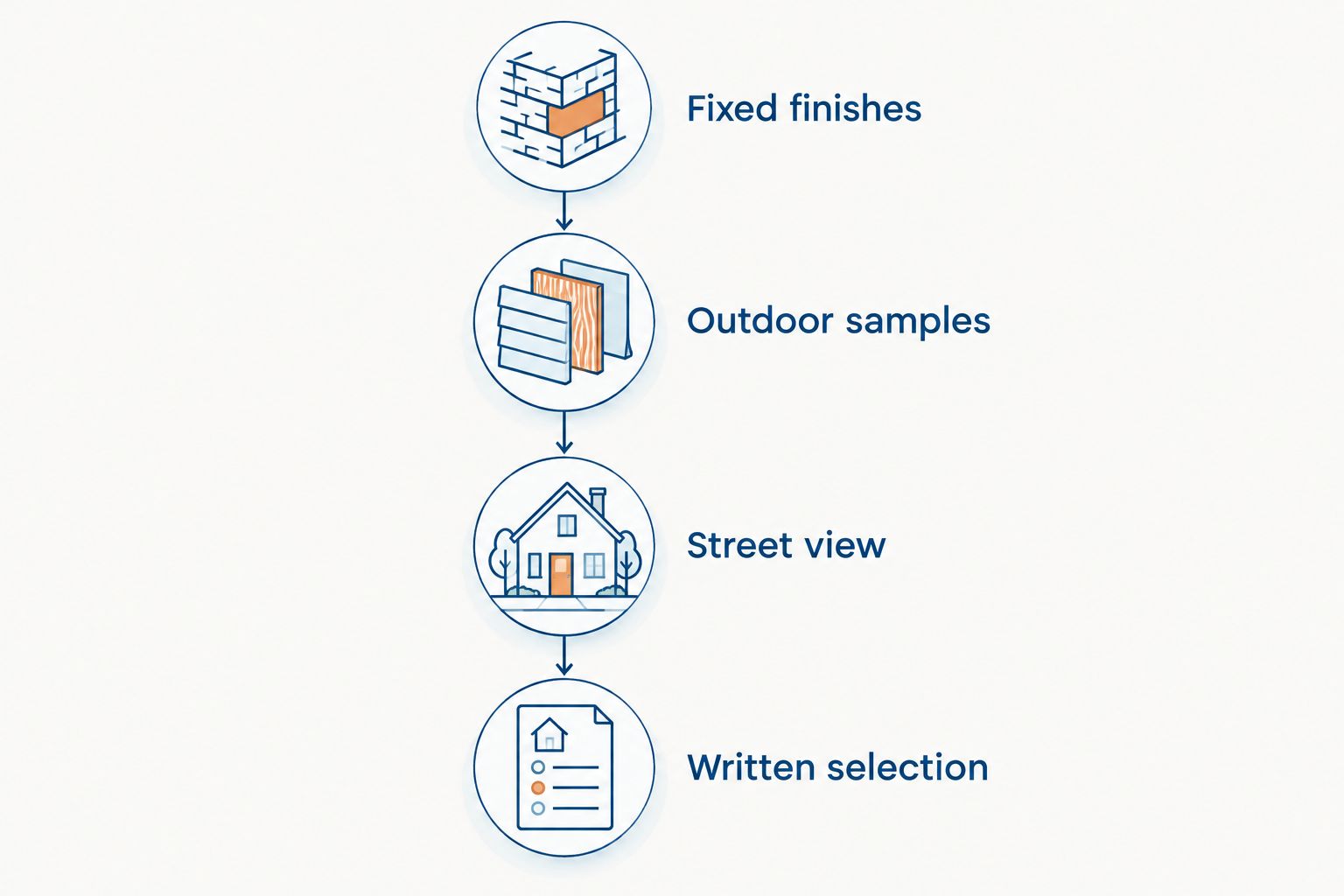
Follow this sequence:
- Fixed finishes: Place samples beside the roof color, masonry and permanent window frames.
- Outdoor samples: Compare them in at least 2 locations, including a sunny wall and a shaded wall where available.
- Street view: Review the choice from 2 viewing distances: near the entrance and from the street.
- Written selection: Record the manufacturer, material, profile, color name and matching accessories in the proposal.
Photographs help you remember the combinations, but they should not replace the physical comparison. Screen settings and lighting change how the image looks.
Ask these questions before requesting a siding quote
A useful siding conversation connects color with installation details. Ask Liberty Exteriors how the proposed siding work will meet the roof edges, window trim, doors and existing gutters.
- Which trim and accessory colors are included in this selection?
- How will the proposal address damage found after old siding comes off?
- Where will flashing and water-management details be addressed?
- If windows or doors are also being replaced, how will the work be coordinated?
- What does the product warranty cover, and what separate workmanship terms apply?
Keep decks and sunrooms in the discussion when they meet the siding. Their connections affect the work area and the finished appearance. A written scope should distinguish the siding installation from any related repairs or additional exterior projects.
How these siding colors were ranked
The ranking prioritizes coordination with existing finishes, clear trim relationships and practical sample checking. Warm off-white is the default because it keeps the main wall color restrained; the remaining choices each address a different design goal.
This is a design guide, not a measured resale ranking. No color here carries a promised increase in home value, a promised energy saving or a universal claim about durability.
Which siding color should you choose?
Start with warm off-white if you want a light exterior and have no strong color preference. Move to warm beige for retained brown finishes, sage for a landscape-focused look, navy for contrasting trim, greige for mixed neutrals or charcoal for a deliberately dark facade.
Your final 2026 choice should pass the outdoor sample check and appear in the written scope. Keep the decision on hold until both are complete.
FAQ
What's the best siding color for curb appeal in Eau Claire?
Warm off-white is the default recommendation for a light, restrained exterior. The best siding colors for curb appeal still need to coordinate with your existing roof, masonry and window frames.
What siding color goes with a brown roof?
Warm beige is a useful starting point for a brown roof. Compare the actual sample with the roof, masonry and trim before choosing its undertone.
Is gray or beige siding better?
Beige is the better starting point for a warm existing palette; gray belongs in a comparison with cooler finishes. Greige is another candidate when your exterior includes both, but it still needs outdoor sample checking.
Does dark siding always look better with white trim?
No, dark siding with white trim creates stronger contrast, not an automatically better result. Navy and charcoal make window placement and trim outlines more noticeable.
Should gutters match the siding or the trim?
Choose gutter color as part of the complete exterior palette. Compare it with both the roof edge and trim so the gutter line looks intentional rather than like an unrelated stripe.
Can a new siding color guarantee a higher resale value?
No siding color guarantees a higher resale value. Choose a coordinated exterior and a clearly specified installation rather than relying on an unsupported return claim.
What should I ask Liberty Exteriors before choosing siding?
Ask Liberty Exteriors to identify the material, profile, color, trim and installation scope in writing. Also ask which product warranty applies and what separate workmanship terms cover the installation.
One last thing
Look at the garage door before approving the siding. Its broad surface can change how the entire front elevation reads, even when the siding sample works beautifully beside a window. Include it in the street-view check rather than treating it as a later decision.